
Body Dysmorphic Disorder Therapy
With Cecily Anders


I've had specialized training in Body Dysmorphic Disorder (BDD) from the International OCD Foundation because BDD requires more than OCD or general anxiety therapy — it has its own patterns, and responds best to specialized treatment.
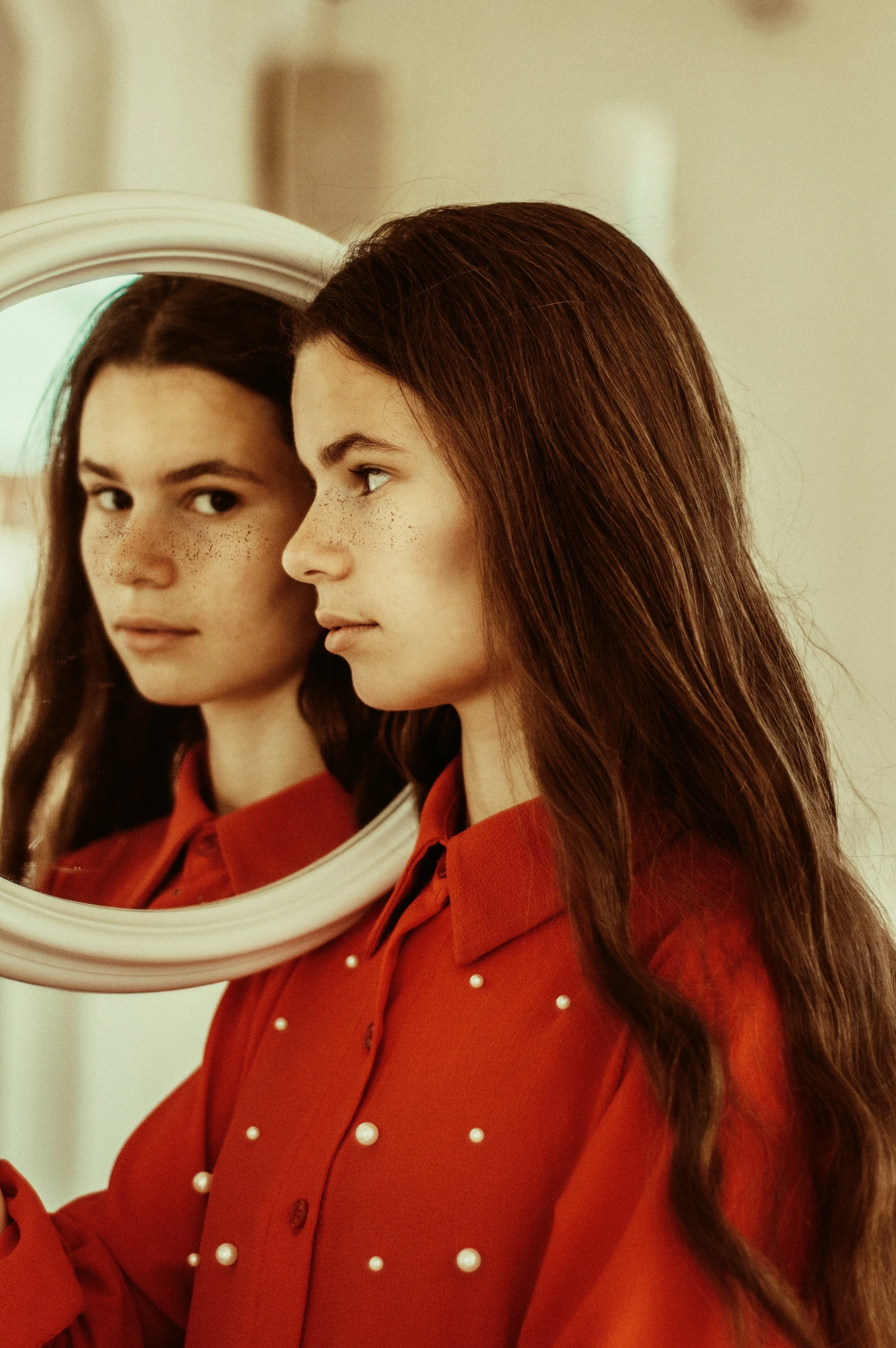
Do you avoid mirrors, photos, or social situations because you're convinced people are noticing your appearance?
Do you keep asking others if you look okay, but never really believe their answer?
Living with BDD is exhausting. Some clients have spent hours thinking about one part of their body while everyone around them sees the whole person. Others have convinced themselves that if they could just change one feature, everything else in their life would finally get better.
The thing is BDD isn't a problem with your appearance. BDD is an issue with how your brain processes what it sees. The good news is that this cycle can change.
Clients Come To Me When They:
Avoid mirrors or spend too much time with mirrors
Hide from photos
Constantly compare themselves to others
Seek reassurance
Feel unattractive
Fixate on their flaws
Avoid relationships
Skip social events
Research cosmetic procedures
Feel ashamed
Obsess for hours
Never feel good enough
“BDD is genetic. You just happen to have a brain that processes information differently.”
How Body Dysmorphic Disorder Therapy With Me Works
The anxiety isn't coming from your appearance. It's coming from the way BDD keeps your brain trapped in an endless cycle of checking, comparing, and avoiding.
We work together to interrupt that cycle while helping you build a different relationship with yourself.
My approach is encouraging, collaborative, and personalized. Recovery isn't about convincing you that you're beautiful. It's about helping your brain stop treating appearance as a constant emergency.
Modalities I Use
-
CBT helps identify and challenge the beliefs that keep BDD painful so you can respond to your thoughts differently instead of automatically believing them.
-
ERP gradually helps you face situations you've been avoiding without relying on reassurance or hiding your perceived flaws.
-
People with BDD often focus on tiny details rather than seeing the whole picture. Together we'll practice shifting your attention from isolated flaws to seeing yourself more globally.
Change Your Reaction to Your Thoughts
Recovery doesn't mean never having another appearance-related thought. It means those thoughts stop controlling your life.

After BDD Therapy With Me, Clients Report:
Social confidence
Less mirror checking
Reduced reassurance seeking
Easier relationships
More balanced thinking
Greater self-acceptance
More freedom
Less avoidance
Instead of organizing your life around your appearance, you get more space to focus on your relationships, creativity, and the things that matter.
About Cecily Anders
I understand how incredibly painful Body Dysmorphic Disorder can be. It's often misunderstood, even by people trying to help. That's why I've pursued specialized training specifically focused on treating BDD using the latest evidence-based approaches.
Clients often tell me I'm encouraging, approachable, and willing to adapt therapy to fit their symptoms. I'm a creative person, and I believe therapy should be personalized rather than following a script. Although this work is serious, we'll also find moments to laugh together.
I receive many referrals from other therapists for clients with more complex presentations because of my background working in hospitals, and with specialized OCD treatment. Whether BDD exists on its own or alongside OCD, I'm comfortable helping you untangle the bigger picture.
Outside the office, I'm a writer, my husband is a pianist, and many of my clients work in creative professions. I understand both the gifts and challenges of having a highly creative mind. At home, my Goldendoodle, Lucky, keeps life fun and playful.
Availability: I provide in-person therapy in Ithaca, NY, and virtual therapy via telehealth for clients across New York, Colorado and Pennsylvania.
Education, Credentials, and Trainings
Specialized BDD Training through the International OCD Foundation
Golden Bear Sleep and Mood Research Clinic, University of California, Berkeley
PsyD, Baylor University (2016)
Research, Baylor University Couples Conflict Lab
Internship, Hutchings Psychiatric Center
Postdoctoral Training, Soho CBT + Mindfulness Center, New York City
Training at the Veterans Administration, an adolescent residential treatment facility, juvenile detention, outpatient clinics, and inpatient psychiatric settings
Additional experience at SUNY Upstate Medical University Counseling Center and foster care clinics
Supervisor of graduate psychology students in CBT and psychological assessment
3 Steps To Get Started
-
Complete my contact form, and I'll personally respond to answer your questions and schedule a phone consultation.
-
We'll talk about what's been happening, discuss your goals, and determine whether we're a good fit.
-
We'll create a personalized treatment plan and begin helping you break free from the patterns that have kept BDD in control.